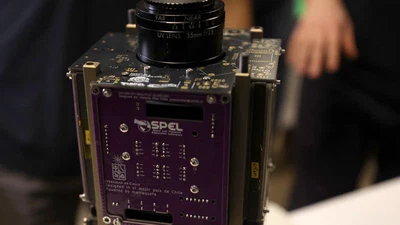
SUCHAI-4 Nanosatellite Mission
A 3U CubeSat space mission hosting ~60 orbital experiments, with USACH (DIINF / SCY-FI Lab) leading computer systems, autonomous flight plan operation, telemetry security, and …
Software solutions for the future of critical space and cyber-physical systems
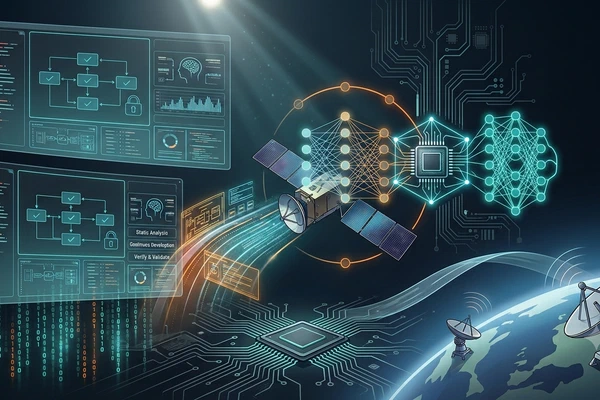
Real-time flight software, embedded software engineering, and intelligent systems for space missions. We design dependable, fault-tolerant software architectures for mission-critical applications, researching AI-driven methodologies to optimize the development, deployment, and lifecycle maintenance of complex cyber-physical systems.

Space system cybersecurity for the New Space era. We investigate novel threat-mitigation frameworks and verification methods to defend space assets, onboard flight software, and cyber-physical infrastructure against hostile cyber threats.

Scalable software architectures and autonomous management for satellite constellations and swarms. We research distributed orchestration, edge computing, and autonomous protocols to enable resilient operation across the space cloud, satellite mega-constellations, and interplanetary communication networks.
A 3U CubeSat space mission hosting ~60 orbital experiments, with USACH (DIINF / SCY-FI Lab) leading computer systems, autonomous flight plan operation, telemetry security, and …
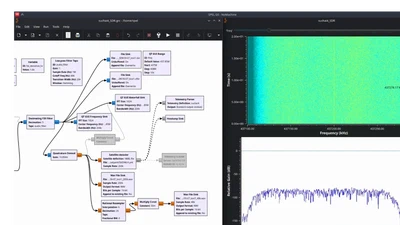
Low-cost, open-source satellite groundstation project bringing space data reception and satellite tracking into high school classrooms to strengthen STEM education.
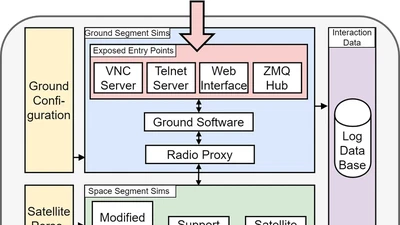
The first high-interaction satellite honeypot framework capable of convincingly simulating real-world CubeSats to collect threat intelligence.
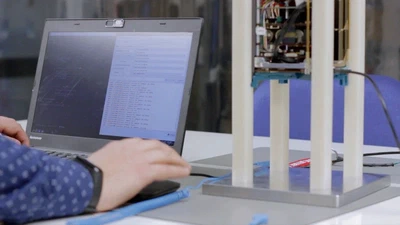
A modular, extensible and portable flight software framework based on the command-processor design pattern for CubeSat nanosatellites and payloads.
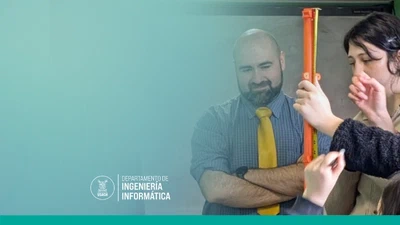
Prof. Carlos González and student Claudia Villa presented the SUCHAI program and the portable ground station project at Ñuble Ciencia Viva 2026, a science fair held in San Nicolás, …

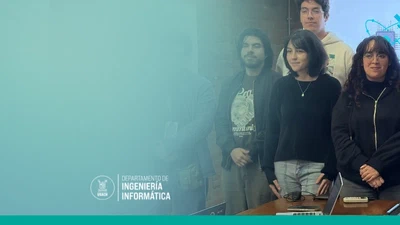
Following the launch of SUCHAI-4 aboard SpaceX, USACH students developed the critical flight software operating the satellite autonomously in orbit.
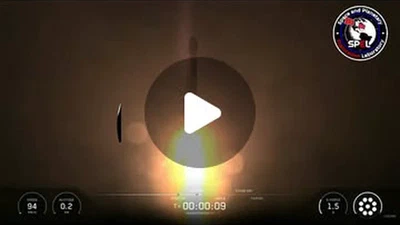
SPEL Universidad de Chile celebrates the successful deployment of SUCHAI-4 into orbit aboard a SpaceX rocket, marking a landmark achievement for Chilean space science.
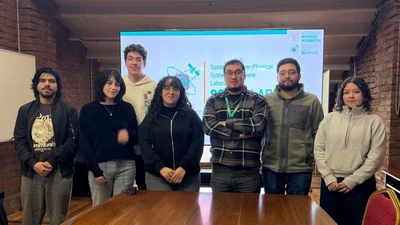
Computer Engineering students and faculty at USACH developed the onboard software and ground systems for SUCHAI-4, successfully launched into orbit on July 7, 2026.
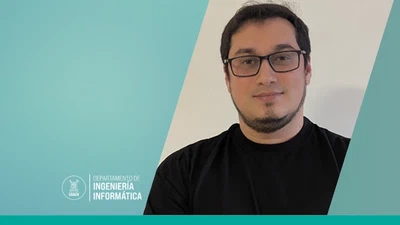
Prof. Carlos González-Cortés discusses the launch of the SUCHAI-4 nanosatellite, carrying USACH flight software and over 60 scientific experiments into orbit.
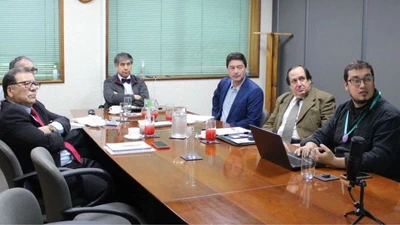
Carlos González Cortés joined a working session of the IIMCh Space Resources Commission covering nanosatellite exploration, flight software, megaconstellations, and AI in aerospace …
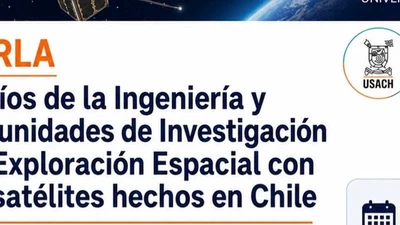
Dr. Carlos González-Cortés invited to speak at DIE Universidad de Chile on CubeSat technologies, nanosatellite engineering, satellite communications, and flight software.
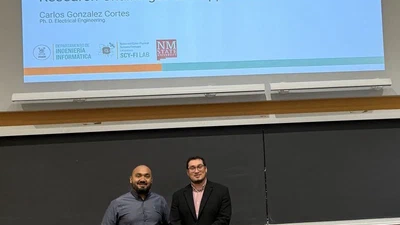
Dr. Carlos González-Cortés visited New Mexico State University to deliver an invited talk on Space Exploration with Nanosatellites, sharing experiences from SPEL and DLR.
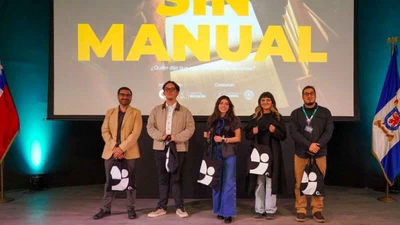
The USACH Faculty of Engineering held 'Sin Manual', a day organized by its Innovation Center where students, academics, and graduates shared real innovation and entrepreneurship …
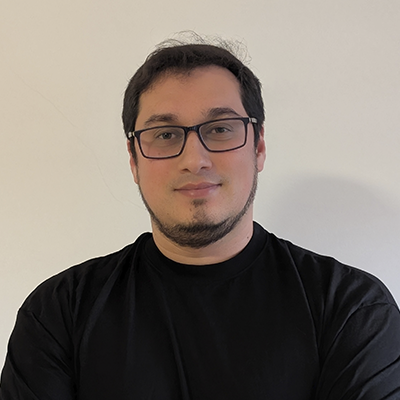
Principal Investigator
DIINF-USACH
Professor in the Computer Engineering Department at the University of Santiago of Chile (USACH). He holds a Ph.D. in Electrical Engineering from the University of Chile and has extensive experience in embedded systems, nanosatellites, and flight software. Previously, he developed the SUCHAI family and PlantSat nanosatellites at SPEL, and worked at the Flight Software Department of the German Aerospace Center (DLR). Carlos is passionate about pushing the boundaries of distributed space systems and satellite flight software architectures.
Departamento de Ingeniería Informática (DIINF)
Universidad de Santiago de Chile (USACH)
Av. Víctor Jara 3659 (ex Av. Ecuador), Estación Central
Santiago, RM, Chile